

You may be working full time, caring for children, or trying to recover from an educational path that ended before A-levels. Computer science can look out of reach when university pages ask for recent qualifications, specific grades and confidence with mathematics. An online Access to Higher Education Diploma in Computing can provide a genuine route forward, but it isn't an automatic university place or a substitute for checking entry requirements carefully.
The UK already has strong demand for the subject. 44,270 students started computer science courses in higher education in 2023/24, including 24,275 first-degree undergraduates and 18,240 postgraduate students, according to EngineeringUK's computer science higher-education data. The more useful question for an adult learner isn't whether computer science is popular. It's whether your qualifications, finances, time and target university fit the route.
What an Online Access to HE Diploma in Computing Actually Is
Consider someone who left school without A-levels, spent years working in retail administration and has now started teaching themselves Python in the evenings. They may understand that a few coding tutorials won't usually meet a university's formal entry requirements, but returning to a sixth-form college isn't realistic. An online Access to HE Diploma in Computing exists for this kind of learner.
An Access to HE Diploma is a Level 3 qualification designed for adults returning to education. The National Careers Service describes Access to Higher Education courses as one-year qualifications that can be studied online and used to progress into higher education. A Computing diploma normally combines subject preparation with academic work, so you learn how to study, write and submit work at the standard expected by a university.
Where it sits among other routes
The Computing pathway is different from a short coding bootcamp. A bootcamp may focus intensively on employability skills such as web development, while an Access diploma is an academic qualification for university progression. A free MOOC certificate can help you test whether programming interests you, but it generally isn't the same as a regulated qualification accepted as an entry route.
It also isn't identical to a foundation year. A foundation year is usually attached to a degree and forms part of that university's programme. An Access diploma is completed before university, allowing you to apply to several institutions, subject to each university's policy.
The course is credit-based. Units may be worth 3 or 6 credits, with graded work contributing to the final result. The diploma is commonly treated by universities as comparable to three A-levels for admissions, although the exact tariff, subject conditions and grade profile are set by the university. Online delivery doesn't remove the qualification's academic framework. What matters is whether the provider is recognised and whether your chosen degree accepts that particular diploma.
Curriculum and Skills You Will Develop
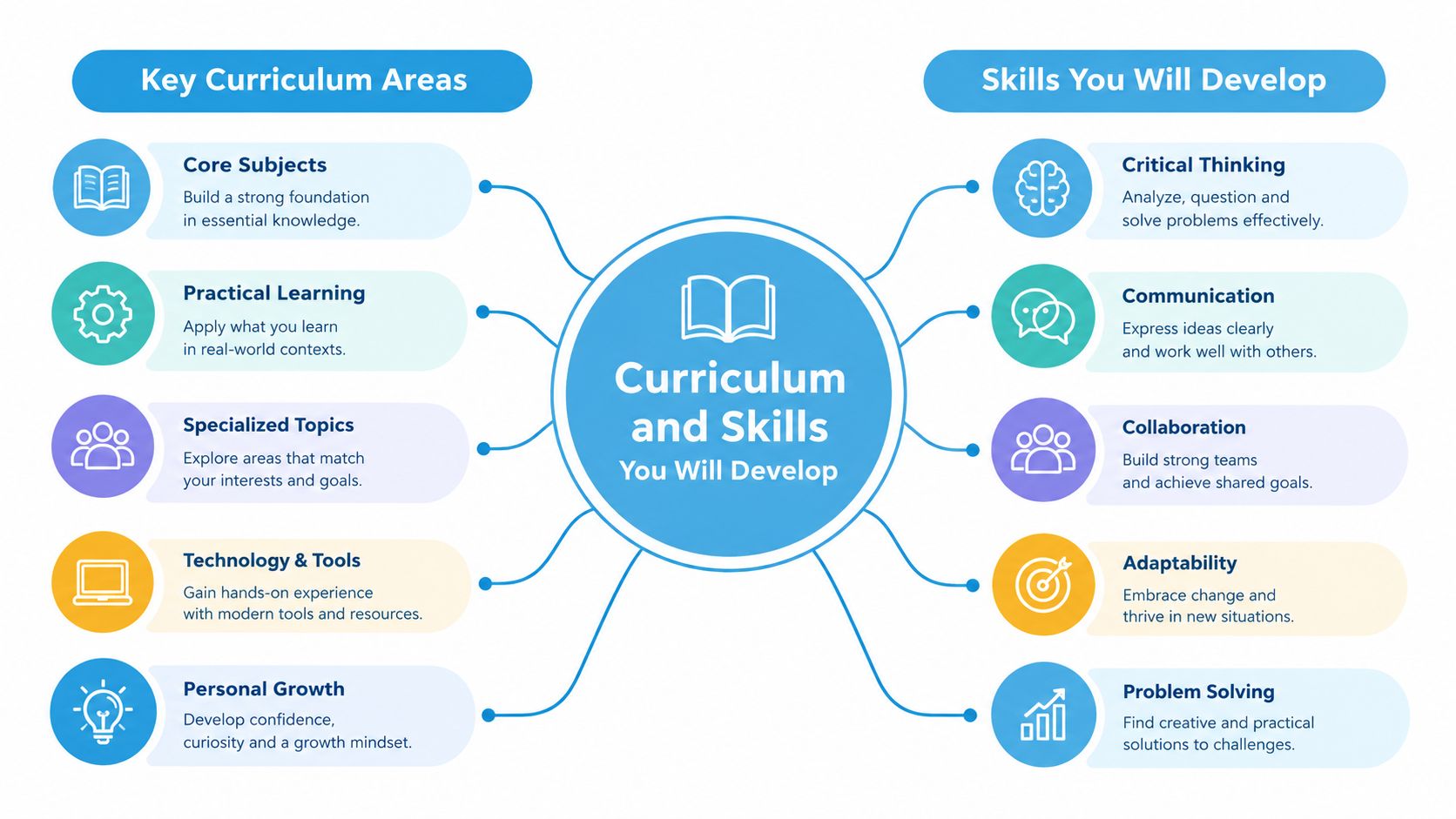
A good Computing Access diploma should feel like preparation for university, not a collection of disconnected software tutorials. You might begin with programming logic, move into computer systems and databases, then apply those ideas in a digital project. Alongside the technical work, you'll practise the academic habits that make degree study manageable.
Technical foundations
A programming unit may start with pseudocode, variables, conditions and loops. You could then write simple functions in Python or JavaScript, test them with different inputs and explain why an error occurs. The point isn't to produce advanced software immediately. It's to develop a methodical approach to breaking a problem into steps.
Computer systems work answers a different question. You'll examine how the CPU, memory and storage interact, and why an operating system manages resources between applications. Networking introduces concepts such as communication between devices, addressing and the movement of data across connected systems.
Database design usually takes you from organising information into tables to considering relationships, queries and data integrity. Web development may combine HTML, CSS and basic scripting, while a digital project asks you to plan, build, document and evaluate something tangible.
Academic preparation
Technical ability alone won't carry a computer science degree. Access learners also need to read sources, compare viewpoints, reference material correctly and make an argument rather than describe a topic.
Expect work involving:
- Essay writing: Explain a computing issue clearly, support points with suitable sources and reach a reasoned conclusion.
- Critical analysis: Compare approaches, identify limitations and justify a choice.
- Project planning: Define requirements, manage stages and reflect on what worked.
- Communication: Present technical decisions in language that a non-specialist can follow.
Practical rule: Treat every assignment as rehearsal for university. Keep your files organised, record sources as you use them and ask for feedback before a deadline becomes urgent.
This combination is important because university assessments may ask you to explain an algorithm, evaluate a system design or write a research-based report. The Access course gives you a controlled place to rebuild those habits before the workload becomes more demanding.
Who the Online Computing Access Route Suits Best
The route often suits adults who need a formal bridge rather than another informal introduction to technology. A parent returning after a caring break may value recorded teaching and planned deadlines. A career changer from finance, logistics or customer service may bring valuable problem-solving and communication experience, even without recent academic study.
It can also work well for someone who left school without A-levels but now has a clear reason to study. Motivation matters because online learning removes much of the passive structure of a classroom. You won't have a teacher physically present to notice that you've fallen behind.
A realistic fit test
Ask yourself four questions before applying:
- Can you protect regular study time? Work and family commitments may fit around online learning, but assignments still need consistent attention.
- Do you have reliable equipment and internet access? You'll need to read, join sessions, submit work and complete technical activities.
- Can you work independently? Tutors can explain difficult material, but you'll still need to practise programming and read between sessions.
- Are your degree choices compatible? Some universities may ask for specific mathematics or science preparation that an Access diploma doesn't fully reproduce.
Online access has become familiar to adult learners. The Learning and Work Institute found that 49% of UK adults were learning currently or had learned in the previous three years in 2023, while 64% said at least some of their main learning was online, as reported in the BCS summary of demand for UK computing degrees.
That doesn't mean online study suits everyone. Learners who need immediate face-to-face explanation, lack a quiet study space or are uncomfortable using digital platforms may need extra support, a blended course or a classroom option. Flexibility is useful only when the learning environment is workable.
Progression Routes Into a Computer Science Degree
The strongest progression plan starts with the university, not the Access provider's advertising copy. Choose several target degrees, open their current entry pages and ask admissions teams how they treat an online Access to HE Diploma in Computing.
Check the offer before enrolling
A common Access offer involves 60 credits, with at least 45 graded credits at Distinction, but this isn't a universal rule. Some universities set higher requirements, specify particular units or limit Access applicants for certain courses. High-tariff institutions may expect a stronger profile, and a university can apply different rules to Computer Science, Software Engineering, Cyber Security or Artificial Intelligence.
GCSE requirements create another frequent obstacle. Many degrees and Access providers ask for GCSE English and Maths at grade 4/C or above, or an accepted Level 2 equivalent. Some universities make exceptions for mature applicants with relevant experience, but you should treat that as something to confirm in writing, not something to assume.
Apply while you're studying
Most learners apply through UCAS during the final stage of the diploma, rather than waiting until every assignment has been marked. Your application can include predicted Access results, a reference from your tutor and a personal statement explaining why computer science is the right progression choice.
Admissions teams may want to see evidence that you've researched the degree. Mention a relevant project, a programming topic you've worked through or a reason that a particular course structure suits your plans. Avoid presenting the diploma as a promise of employment. It is preparation for further study.
| University type | Typical tariff or credit requirement | GCSE Maths and English | Notes for Access applicants |
|---|---|---|---|
| Standard-entry university | Often an Access offer based on a defined credit and grade profile | Commonly required | Check whether specific computing or mathematics units are named |
| Higher-tariff university | May ask for stronger grades or additional conditions | Usually required | Confirm whether the course accepts Access applicants before enrolling |
| Degree with substantial mathematics | May include subject-specific distinctions or an equivalent qualification | Mathematics is especially important | Ask whether the diploma covers the required mathematical preparation |
| Mature-applicant route | Requirements can vary by experience and previous study | Possible flexibility, but not automatic | Request an individual assessment from admissions |
You can compare the detail in this guide to computer science degree entry requirements, then verify every condition on the university's own page.
Plan the transition
Most degree courses begin in September, though some providers offer January starts. A university may also require a bridging module, an aptitude assessment or additional preparation before enrolment. Ask about these conditions early, especially if your diploma finishes close to the degree start date.
Russell Group progression is possible in some cases, but acceptance depends on the individual course. Don't build your entire plan around a broad university label. Build it around written confirmation for the exact degree, qualification and grades you expect to achieve.
Funding and Payment Options Across the UK
Funding is one of the areas where online course pages can sound simpler than the rules really are. Eligibility may depend on where you live, your age, your previous Level 3 study and the nation in which the provider operates.
In England, eligible learners may use an Advanced Learner Loan for an Access to HE Diploma. The loan covers the course fee rather than living costs, and the balance can be written off after you complete an eligible higher-education course. The application is separate from university finance, so you should check the provider's approval status and the current government conditions before enrolling.
England and Wales
Some adults in England can study through the 19+ Level 3 entitlement if they meet the eligibility rules and don't already hold a full Level 3 qualification. Provider guidance indicates that the position can differ by age and prior attainment. Learners who don't qualify for a free place may consider an Advanced Learner Loan or self-funding.
Wales has its own arrangements and provider network. Similar loan language doesn't mean the same rules apply, so Welsh residents should confirm eligibility with the course provider and the relevant Welsh funding body. A useful starting point for the wider funding questions is this guide to Access to Higher Education funding.
Scotland and Northern Ireland
Scotland's Access provision is often connected to college-based routes, with funding and availability determined locally. Northern Ireland has a different provider and funding context again. An online course advertised across the UK may not have identical fee support in every nation.
Don't assume an Advanced Learner Loan will pay for every preparatory step. GCSE Maths, GCSE English and Functional Skills courses can sit outside the diploma funding arrangement, leaving you to arrange separate funding or payment. Providers may offer instalments for self-funded learners, but check the total fee, payment dates and what happens if you pause study.
Funding rules change between academic years. Get a written eligibility answer based on your postcode, age and previous qualifications before paying a deposit.
How Online Study Works in Practice
An online Access course is flexible, but it isn't effortless. Providers commonly structure learning through a virtual learning environment such as Moodle or Microsoft Teams, where you access readings, recorded material, assignment briefs, discussion areas and submission instructions.
Some courses use a part-time pace of 12 to 18 months, with learners often planning around 15 to 20 hours a week for guided study, reading, technical practice and assignments. Treat those figures as planning guidance rather than a promise. Course intensity varies, and a programming assignment may take longer than a familiar written task.
A workable study week
You might watch a recorded introduction to database design on Monday, read the required material on Tuesday and build a small example on Wednesday. A group session later in the week could focus on queries or common errors, followed by an individual tutorial to discuss your draft assignment.
Tutor support may include video appointments, email feedback and workshops for demanding areas such as programming or research methods. Discussion forums can replace some classroom conversation, but you need to use them actively. Posting a specific question is more useful than waiting for confusion to disappear.
Assessment is generally coursework-based. You may complete essays, reports, technical tasks, project documentation and presentations rather than sit formal written examinations. That can suit adults who need time to develop an answer, but deadlines still matter and plagiarism or poor referencing can affect your result.
Read this explanation of how distance learning works before applying, then ask the provider to show you a sample timetable. A realistic plan includes protected study blocks, backup time for technical problems and a clear method for contacting your tutor.
Common Misconceptions Worth Clearing Up
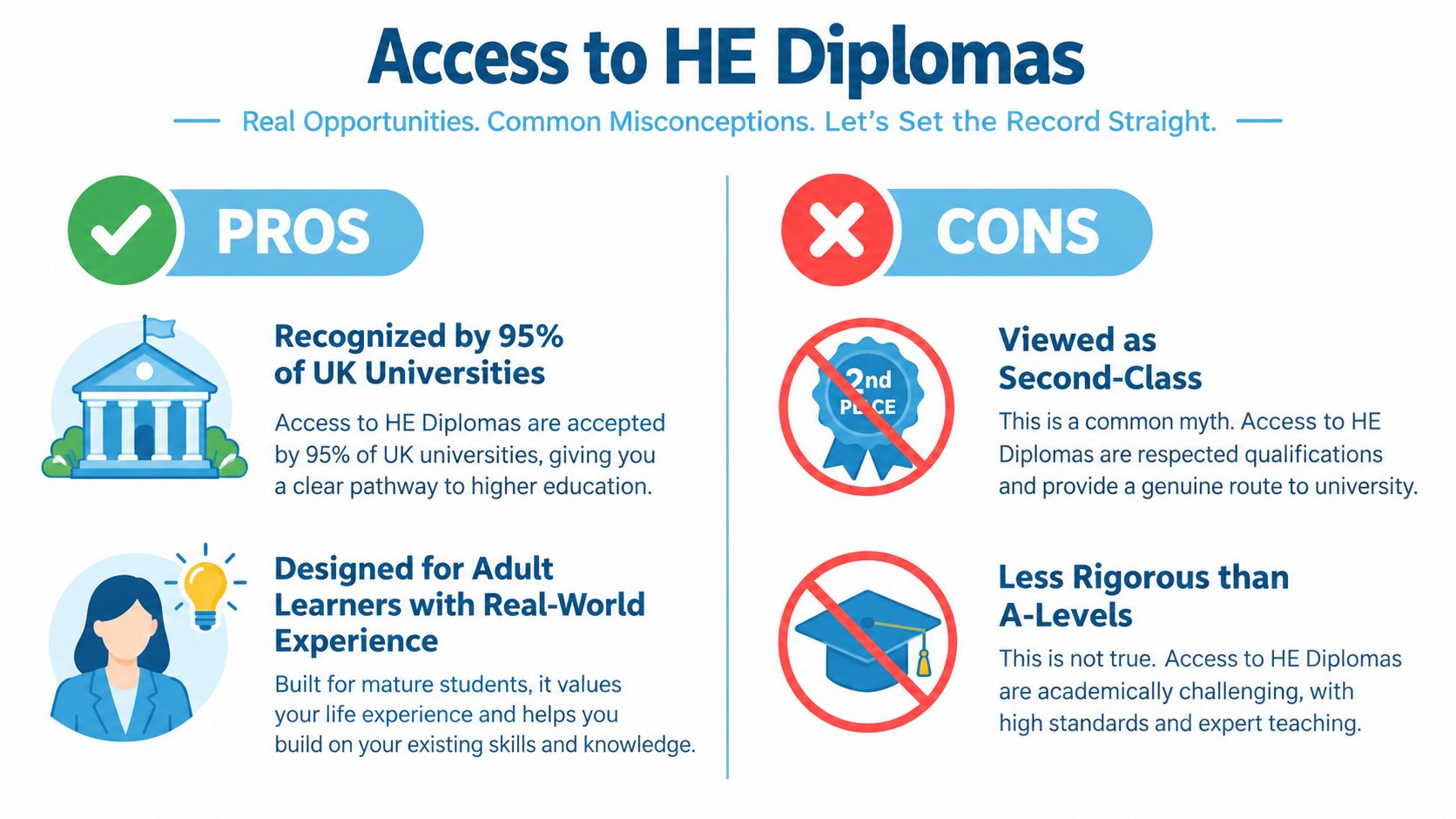
The first misconception is that an Access diploma is a second-class qualification. It isn't an informal fallback. It is designed for adults who need a different route into higher education, and QAA-recognised Computing diplomas are positioned as routes into areas including computer science, software engineering, cyber security and artificial intelligence, as reflected in QAA-recognised provider information.
The second misconception is that online delivery automatically weakens the qualification. The delivery method affects your experience, support and routine, but it doesn't by itself decide whether a university accepts the diploma. Recognition, the provider, the qualification specification and the university's admissions policy do.
Marketing claims need checking
A course page may use phrases such as “guaranteed university place”. Read the conditions behind the phrase. A provider can't override a university's requirements for GCSE Maths, credit grades, interviews, portfolios or subject preparation.
The diploma also isn't a vocational IT certificate. You may complete practical computing tasks, but the course should develop academic writing, critical thinking, research and independent study. Those skills matter when a degree asks you to explain the limitations of a system or evaluate competing technical approaches.
Finally, don't assume that work experience replaces every qualification. Relevant employment can strengthen an application and may support a mature-student assessment, but only the university can confirm whether it changes a formal entry condition.
For a broader perspective on how employers may weigh practical ability alongside formal education, read the Underdog.io guide to modern hiring. That perspective is useful, but it doesn't remove the need to meet university admissions requirements if your immediate goal is a degree.
Next Steps and Frequently Asked Questions
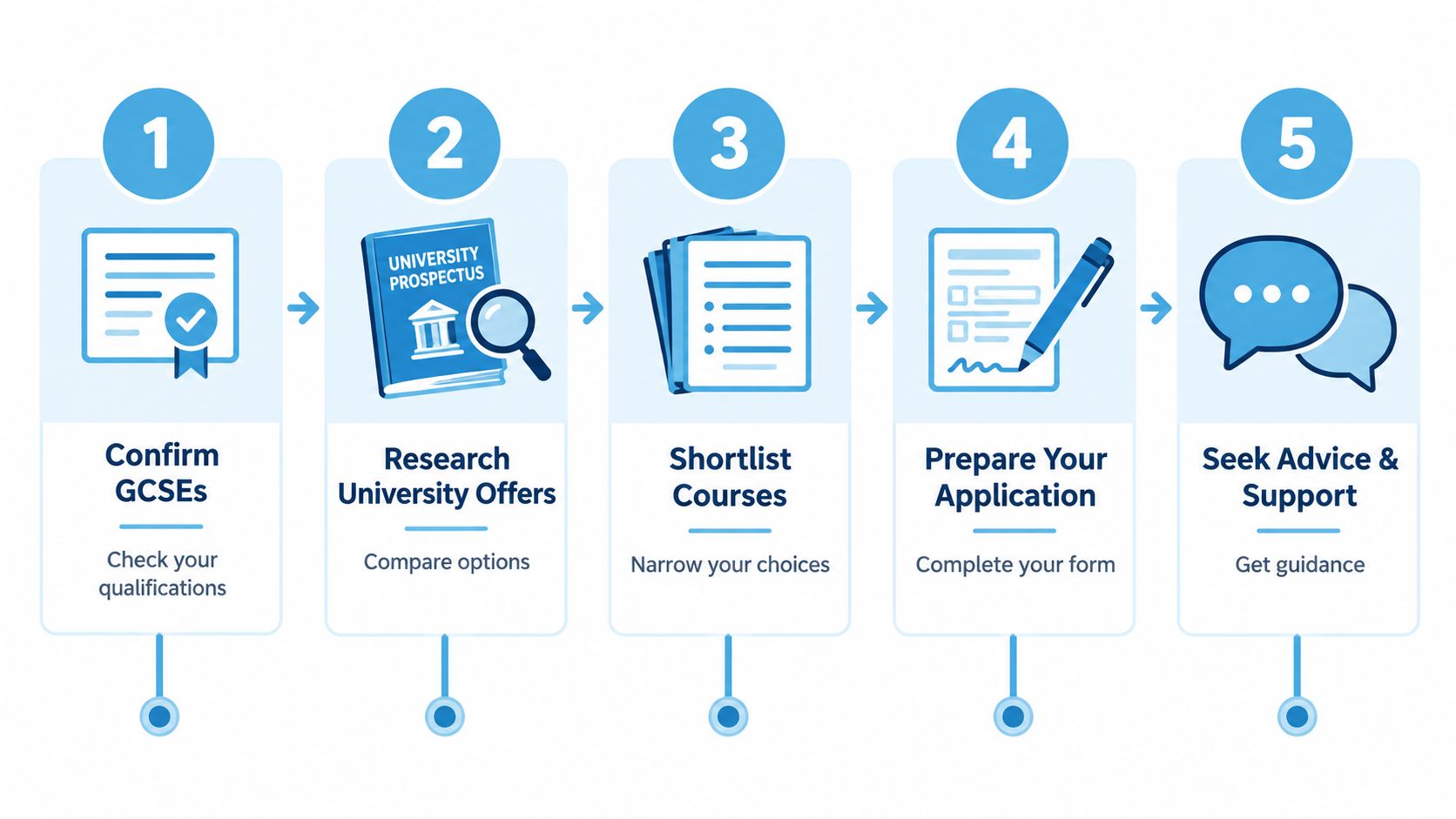
Start with the conditions most likely to stop an application later. Check your GCSE Maths and English certificates, identify any Level 2 gaps and write down the exact computer science degrees you might apply for.
A practical order of action
- Confirm your existing qualifications: Check grades, awarding bodies and whether a university accepts Functional Skills as an alternative.
- Research exact university offers: Contact admissions teams for the specific degree, not just the institution.
- Shortlist recognised providers: Compare the syllabus, awarding arrangements, tutor support, deadlines and assessment model.
- Request evidence: Ask for a detailed unit list, sample assignments and a written progression statement.
- Plan funding and UCAS timing: Apply for eligible finance early and match your UCAS application to predicted and final diploma dates.
Questions adult learners ask
Will universities accept an online Access diploma?
Many universities accept Access to HE Diplomas, including online routes, but acceptance is course-specific. Confirm the provider's recognition and the exact university policy before enrolling.
How many tariff points will I receive?
There isn't one universal tariff outcome. Universities may express offers through credits and grades rather than a simple number of tariff points, so ask admissions how they convert or assess your diploma.
Do I need GCSE Maths and English?
Often, yes. Many providers and degrees ask for grade 4/C or an accepted Level 2 equivalent. A mature-student exception may exist, but it must be confirmed individually.
Will my loan be written off?
An Advanced Learner Loan used for an eligible Access course can be written off after completion of an eligible higher-education course, subject to the applicable rules. Confirm the current terms before relying on this.
Can I study while working?
Yes, online delivery can fit around employment, but you still need regular study time and reliable access to the learning platform. Ask whether the course is full time, part time or self-paced.
Can I progress to a Russell Group university?
Possibly, but there's no blanket acceptance. Check the exact course, grade profile, GCSE conditions and any subject-specific requirements with the university.
Before committing, book a conversation with a tutor or admissions adviser. Ask them to review your qualifications, explain the weekly workload and identify the universities that match your intended diploma.
Access Courses Online offers a fully online Access to Higher Education Diploma in Computer Science, with tutor guidance, flexible study and funding advice for adults balancing work or family commitments. Visit Access Courses Online to review the course and discuss your qualifications before you apply.