
If you're looking for a career that genuinely makes a difference, you'll find it in health and social care. These aren't just jobs; they're roles that offer incredible security, clear paths for growth, and a deep sense of personal fulfilment. For many, it's a chance to build a stable, meaningful future founded on compassion.
Why a Career in Health and Social Care Matters
Take a moment and imagine a world without nurses, social workers, or paramedics. It’s almost impossible. The health and social care sector is the backbone of our communities, a complex and vital system where every single person—from clinical specialists to the support staff behind the scenes—plays a crucial part. This guide is your map to finding where you fit in.
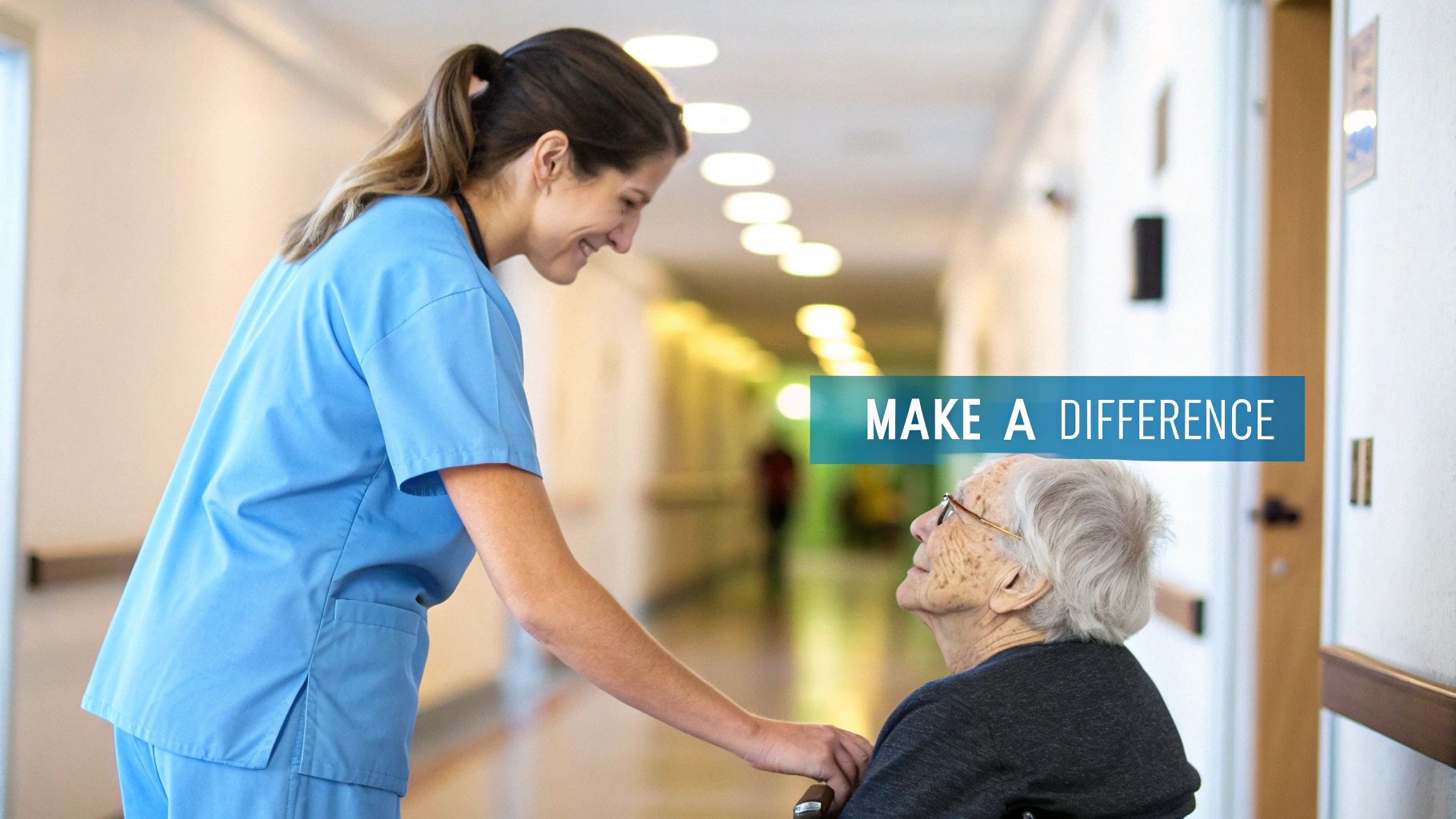
We’re not just going to look at job titles. We’ll explore the profound sense of purpose that comes with helping people through some of their most vulnerable moments. This is a field defined by human connection, where empathy is just as vital as any technical skill.
Stability and Growth in a Demanding Field
One of the most appealing things about careers in health and social care is how stable they are. Unlike other industries that ebb and flow, the need for skilled, caring professionals is always there. In fact, it's growing.
With an ageing population and constant medical advancements, the demand for these roles is only set to increase for years to come. The adult social care sector alone needs to fill almost half a million new roles by 2040. This isn't just a job; it’s an investment in a future-proof profession.
This constant demand creates a fantastic opportunity for career changers. It provides a clear and accessible route for anyone seeking more meaning and security in their working life, no matter their background.
A Pathway for Everyone
Perhaps most importantly, this guide will show you how people from all walks of life are changing their futures by moving into this sector. You don't need a traditional academic history to get started. So many successful professionals began their journey later in life, proving that passion and dedication are what truly count.
We'll introduce you to the flexible, online Access to HE Diploma—your direct pathway into this rewarding world, making that career change feel more achievable than ever. This qualification is specifically designed to bridge the gap for adults, opening doors to university degrees and professional careers without needing A-levels.
The Real Reasons People Choose This Path
Let's be honest, beyond the job security and steady demand, what really pulls someone towards a career in health and social care? It’s rarely just about the practical stuff. At its heart, it’s a powerful, almost instinctive, drive to connect with people and make their lives better.
This is a path for people who get a real buzz from making a tangible difference. It’s for those who see a problem – a health scare, a social hurdle, or just someone having a really tough day – and feel compelled to jump in and be part of the solution.
The Power of Making a Real Difference
Think about it. Imagine being the person who brings a sense of calm to a frightened patient, helps an elderly person stay independent in their own home, or guides a family through a tough diagnosis. These aren't just tasks on a to-do list; they are real, human moments that define your day.
This direct impact is one of the most powerful draws of the field. Your "feedback" isn't a quarterly report or a sales target; it’s the look of relief on someone's face or a heartfelt 'thank you' from a family you've supported.
This career path is built on purpose. It gives a clear, simple answer to that big question, "Does what I do actually matter?" In health and social care, the answer is always a resounding yes.
The work is a unique mix of head and heart. One day you might be solving a complex logistical puzzle to coordinate care, and the next, you’re simply offering comfort and a listening ear. This variety means no two days are ever the same, keeping you on your toes and constantly learning.
A Sector Built for Career Changers
It’s a common myth that you need to have followed a straight line from school to succeed here. The reality? Life experience is worth its weight in gold. People who’ve worked in other jobs bring a maturity, resilience, and a different way of solving problems that is hugely valued.
This makes the sector a perfect landing spot for anyone looking for a more meaningful career. Whether you're coming from retail, hospitality, or an office job, your skills in communication, empathy, and working under pressure give you a brilliant head start. The technical skills can always be taught, but it's those human qualities that truly make the difference.
The sheer scale of the sector also means there are countless ways to get your foot in the door. For instance, the adult social care sector in the UK has its largest workforce on record, with 1.55 million filled posts. Experts believe another 470,000 posts will be needed by 2040 just to keep up with demand – that's a massive 26.9% expansion. This incredible growth is creating constant opportunities for new starters. You can explore more on these trends in the Institute for Government’s analysis of the adult social care workforce.
Finding Your Unique Role
Another huge motivator is the incredible variety of roles on offer. Forget the narrow idea that it’s all about becoming a doctor or a nurse. The reality is a rich ecosystem of professions, including:
- Social Workers who stand up for vulnerable children and adults.
- Occupational Therapists who help people relearn the skills for daily life.
- Paramedics who deliver critical care when every second counts.
- Mental Health Support Workers who guide people on their recovery journey.
This breadth means you can find a role that’s a perfect match for your skills, personality, and passions. It’s not about squeezing yourself into a predefined box. Instead, you can carve out a unique career that is both professionally rewarding and deeply fulfilling. An Access to HE Diploma is often the key that unlocks the door to these specialised university degrees, turning your ambition into a real, achievable plan.
Finding Your Fit in a World of Opportunities
The sheer scale of opportunities in health and social care can feel both exciting and, let’s be honest, a little overwhelming. To make sense of it all, it helps to think of the sector not as one single path, but as a landscape with four distinct, interconnected territories.
Each one offers different challenges, rewards, and ways to make a genuine impact. Understanding these key areas is the first step to pinpointing where your unique skills and passions might truly thrive.
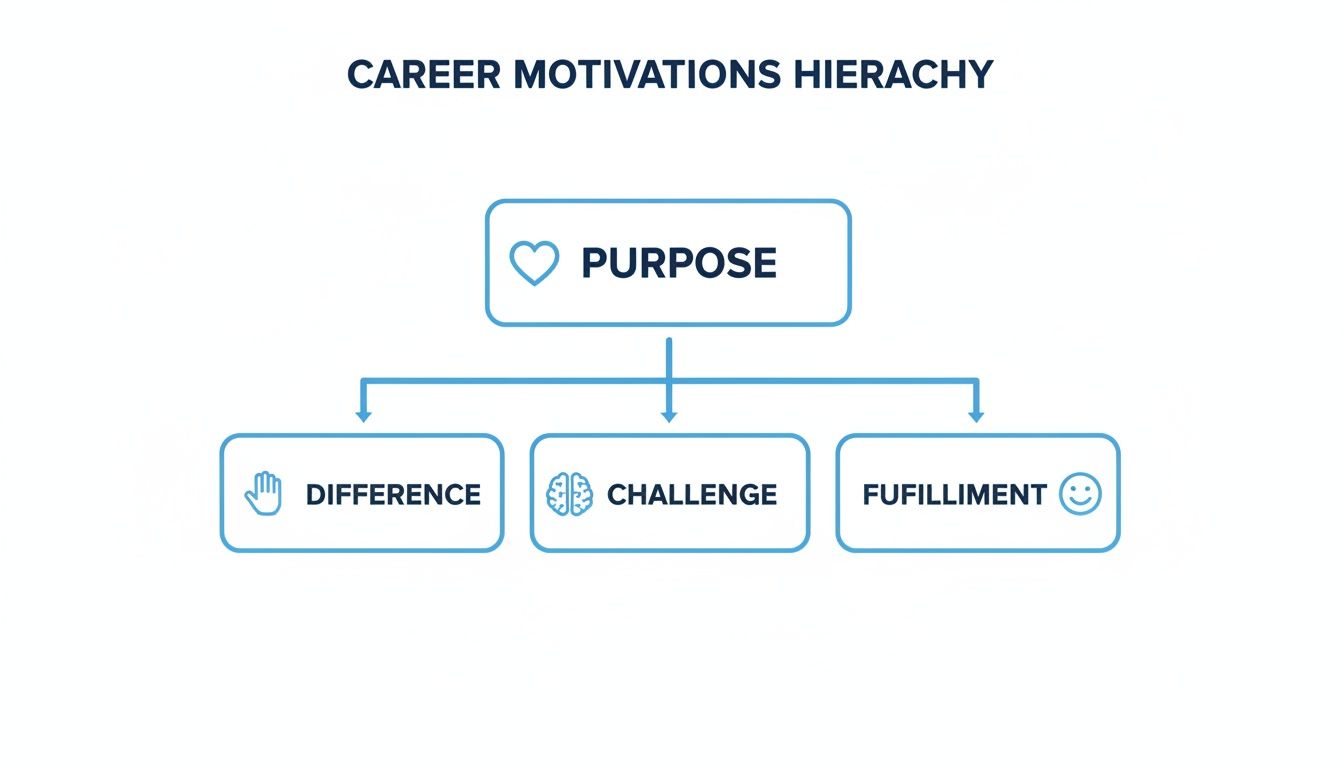
Whether you’re drawn to the fast-paced clinical world or the steady, supportive environment of community care, there’s a place for you. Ultimately, it’s that deep sense of purpose that fuels the desire to make a difference, tackle daily challenges, and find real fulfilment in your work.
Health and Social Care Career Pathways Snapshot
To give you a clearer picture, here’s a quick overview of the different career avenues available. Think of this as a starting map for your journey, highlighting the main territories you can explore.
| Role Category | Example Roles | Typical Entry Route | Average Starting Salary (Approx.) |
|---|---|---|---|
| Clinical | Nurse, Midwife, Doctor | University Degree (often via an Access to HE Diploma) | £28,407 - £32,134 (Band 5) |
| Allied Health | Paramedic, Physiotherapist | University Degree (often via an Access to HE Diploma) | £28,407 - £34,581 (Band 5/6) |
| Social Care | Social Worker, Care Worker | Degree (Social Work), Diplomas or on-the-job training | £25,000 - £32,000 |
| Support | Administrator, Health Informatics | Varies: Apprenticeships, Diplomas, Degrees | £22,383 - £27,000 |
This table shows just a fraction of the roles out there, but it illustrates the diverse entry points and potential earnings across the sector. Now, let’s explore what each of these areas really involves.
Clinical Roles: The Front Line of Care
When you picture healthcare, you’re probably thinking of clinical roles. These are the professionals right at the heart of it all, diagnosing, treating, and caring for patients in settings like hospitals, GP surgeries, and clinics. It's a world where science, precision, and immense human connection meet.
Nursing is probably the most recognised career here, but it’s far from a one-size-fits-all job. Specialisms range from Adult and Paediatric Nursing to Mental Health and Learning Disability Nursing. Nurses are the constant presence for patients, providing everything from critical medical interventions to a reassuring word.
Then there’s Midwifery, a vital role where professionals support women and their families through pregnancy, birth, and the postnatal period. It’s a career demanding incredible skill, autonomy, and compassion. Both Nursing and Midwifery degrees are well within reach with an Access to HE Diploma, offering a direct route into these respected professions.
Allied Health Professions: The Specialist Teams
Allied Health Professionals (AHPs) are often the unsung heroes of the healthcare system. This diverse group of specialists uses their expert knowledge to help people live full and active lives, often working alongside doctors and nurses to provide truly holistic care.
Just think about these dynamic roles:
- Paramedics are the first responders in medical emergencies, making life-or-death decisions under immense pressure.
- Occupational Therapists help people overcome challenges from illness or injury, enabling them to carry out everyday activities that matter to them.
- Physiotherapists focus on restoring movement and function, helping patients recover from injuries and manage long-term conditions.
- Radiographers use advanced imaging tech like X-rays and MRI scans to help diagnose what’s going on inside the body.
These careers are a brilliant blend of scientific knowledge and practical, hands-on problem-solving. An Access to HE Diploma in Health Professions is the perfect launchpad for a university degree in any of these exciting fields.
Social Care Roles: The Heart of the Community
While healthcare often focuses on treating illness, social care is all about supporting people to live with dignity and independence. This field is deeply rooted in communities, providing essential support in people's homes, care homes, and local centres. It's about empowering individuals and improving their quality of life.
A Social Worker is a key professional in this area, advocating for vulnerable children and adults and connecting them with the resources they need. They work with families, schools, and other agencies to create safe, supportive environments.
Care Workers (or Support Workers) provide that direct, hands-on assistance to people who need it most. This could mean helping an elderly person with daily tasks, supporting an adult with a learning disability, or simply providing companionship. These roles are built on a foundation of trust, empathy, and respect.
Many people in social care also specialise. For instance, you could focus on a career in mental health, supporting individuals on their recovery journeys. You can learn more about the diverse careers available in the mental health sector in our detailed guide.
The core of social care is empowerment. It's not about doing things for people, but about working with them to help them achieve their own goals and live the life they choose.
Support Roles: The Essential Backbone
Behind every doctor, nurse, and social worker is a team of dedicated support staff who keep the entire system running smoothly. These roles are absolutely critical; without them, front-line services would grind to a halt. They offer a fantastic way to contribute, especially if direct patient care isn’t for you.
Think about the sheer variety of functions needed:
- Healthcare Administrators manage appointments, patient records, and the day-to-day operations of a clinic or hospital ward.
- Health Informatics Specialists work with data and technology to improve patient care and make services more efficient.
- Medical Secretaries provide vital admin support to clinical staff, ensuring clear communication and organisation.
- Facilities and Estates Teams manage the physical buildings, from maintenance to health and safety.
These careers require strong organisational skills, attention to detail, and a passion for making complex systems work better. They provide a stable and rewarding career path with excellent opportunities to progress into management and leadership roles.
How to Start Your Journey Without A-Levels
The idea of launching a professional career in health or social care can feel a bit daunting. Especially if you think the door to university slammed shut years ago. It’s a common belief that without a string of A-levels, ambitious roles like nursing, midwifery, or becoming a paramedic are just out of reach.
But that simply isn’t true.
For adult learners, the path to a degree looks different—and honestly, it's often far more flexible. While apprenticeships are a great option, the most direct route into professional practice is through higher education. It’s at university where you gain the deep knowledge, clinical skills, and professional registration needed to truly excel in your chosen field.

The University Pathway for Adult Learners
So, how do you get onto a university course without the usual qualifications? The answer is a qualification designed specifically for people just like you: the Access to Higher Education (HE) Diploma.
Think of an Access to HE Diploma as a purpose-built bridge. It connects your life experience and ambition directly to a university campus. It’s a nationally recognised, Level 3 qualification that is accepted by over 95% of UK universities as an alternative to A-levels, created to give adults a focused route back into education.
Instead of studying three separate A-level subjects over two years, an Access course concentrates all the essential academic content for a specific degree—like nursing or health professions—into a single, streamlined programme you can often finish in less than a year.
This targeted approach is precisely why universities hold these diplomas in such high regard. They know that a student with an Access to HE Diploma hasn't just learned academic theory; they've also developed crucial skills for succeeding at degree-level, like research, essay writing, and independent study.
How an Access to HE Diploma Works for You
Imagine Sarah, a former retail manager who always dreamed of becoming a paramedic but didn't have the right science A-levels. The thought of going back to a rigid college timetable just felt impossible while juggling a job and family. This is the exact barrier an online Access course is designed to smash through.
With a fully online course, your study schedule is built around your life, not the other way around.
- Total Flexibility: You can study in the evenings after the kids are in bed, on your lunch break, or at the weekend. No fixed classes, no commute. You are in complete control.
- Dedicated Support: Online learning doesn't mean you're on your own. You’ll have a personal tutor—an expert in their field—providing feedback, answering questions, and guiding you every step of the way.
- Manageable Finances: We get it. Funding your studies is a big deal. That’s why we offer interest-free payment plans, letting you spread the cost and invest in your future without all the financial pressure.
This model makes a career change feel like a tangible, stress-free reality. It empowers people like Sarah to turn long-held ambitions into an achievable plan, building their academic confidence and preparing them for the rigours of a university degree. You can find out more about how an Access course can lead to a career in healthcare in our detailed article.
Seizing the Opportunity in a Sector That Needs You
Honestly, the timing for a career change into health and social care has never been better. The sector is facing huge staffing pressures, which means there’s a massive demand for new, passionate professionals. Recent data from the Department of Health & Social Care highlights that a staggering 71% of providers report challenges in hiring new staff.
This recruitment crisis, while tough for employers, creates a golden opportunity for people like you to find their place.
For those without traditional qualifications, this demand makes accessible pathways like the Access to HE Diploma more valuable than ever. By gaining this qualification, you’re not just preparing for a job; you are stepping up to fill a critical need in our society, equipped with the skills and knowledge to make a real, lasting impact from day one.
Mapping Your Career Growth and Salary Potential
Choosing a new career isn’t just about finding a role you love; it's a huge financial decision that needs to work for you and your future. The great thing about health and social care is that the pathways for progression aren’t just clear—they’re actively encouraged. You can build a genuinely secure future while making a real difference.
This isn't a sector where you get stuck. A job as a Healthcare Assistant, for instance, isn't an endpoint. Think of it as a launchpad. With the right qualifications and experience under your belt, that same person can go on to become a registered nurse, then a specialist nurse practitioner, and eventually a department lead or ward manager.
A Real Commitment to Your Development
At the heart of all this growth is something called Continuous Professional Development (CPD). This isn't just a bit of corporate jargon; it's a fundamental commitment across the entire sector to invest in its people. Employers are always supporting staff to gain new skills, go on training courses, and pursue further qualifications throughout their careers.
This culture of lifelong learning means your degree is just the beginning. It’s the foundation you build on through specialisation and leadership training. An Access to HE Diploma is your ticket to that all-important first step, unlocking the degree that opens up these amazing long-term opportunities.
Think of your career like a climbing frame, not a ladder. CPD lets you move upwards, but also sideways into new specialisms. You gain a breadth of experience that makes you an incredibly valuable professional.
The UK's health and social care sector is massive and it's still growing. It currently employs around 4.8 million people—a huge leap from just over 2.9 million in the early 2000s. This constant expansion means there's always a need for skilled, passionate people at every level.
Understanding Salary Structures and What You Can Earn
One of the best things about careers in this sector, especially within the NHS, is how transparent the pay is. The NHS uses a banding system called 'Agenda for Change' (AfC), which clearly lays out how your salary will progress.
-
Newly Qualified Professionals (Band 5): Once you graduate from a university course in nursing, midwifery, or as a paramedic, you’ll likely start on Band 5. Right now, that starts at £28,407 and goes up with experience.
-
Experienced and Specialist Roles (Band 6): After a few years and maybe some specialist training, you can move up to a Band 6 role like a Senior Nurse or Specialist Paramedic. Here, salaries start at £35,392.
-
Advanced and Management Roles (Band 7 and above): As you climb into advanced practice or management—think Nurse Practitioner or Ward Manager—you’ll hit Band 7, with a starting salary of £43,742. The higher bands open up even greater earning potential.
In social care, salaries can be a bit more varied as it depends on whether you work for a local authority, a private company, or a charity. Still, a qualified Social Worker can expect to start on a salary of around £30,000, with experienced team managers earning upwards of £45,000.
To get a clearer picture of your financial future and compare what you could be earning, a good salary calculator can be an incredibly useful tool. It helps you see the real, tangible rewards that come with more training and specialisation, proving that your initial investment in an Access course truly pays off for years to come.
Taking Your First Step Towards a New Career
We’ve walked through the incredible opportunities, the personal satisfaction, and the clear-cut routes that a career in health and social care offers. Now, the real journey begins—with your first decisive step. Think of this as the launchpad that turns your ambition into a solid, actionable plan.
The most direct path to becoming a nurse, midwife, or an allied health professional is with a university degree. For anyone coming back to education as an adult, the Access to Higher Education (HE) Diploma is the key that unlocks that door. It’s specifically designed to be your A-level equivalent, giving you the academic foundation you need to thrive.
At Access Courses Online, we make this leap not just possible, but manageable. Our courses are built to fit into your life, not the other way around.
Why Choose Our Online Diplomas?
Our 100% online, flexible model puts you firmly in the driver's seat. There are no rigid timetables or live lectures to attend, so you can easily weave your studies around your job, family, and everything else life throws your way. You can start whenever you're ready and learn at a pace that feels right for you.
- Dedicated Tutor Support: You won’t be going it alone. You'll have a personal tutor—an expert in their field—to guide you, provide feedback, and cheer you on.
- Affordable Payment Plans: We believe education should be a manageable investment, which is why we offer interest-free payment plans.
- Recognised Qualifications: Our diplomas are your passport to higher education, accepted by over 95% of UK universities for entry onto their healthcare degrees.
If you're moving from a completely different field, this guide to a career change in healthcare offers some fantastic extra perspective. Our focus, though, is on getting you the specific qualifications you need to get your foot in the door.
A life-changing career is well within your grasp, and we are here to support you every step of the way. Taking that first, crucial step is simpler than you might think.
Your next chapter is waiting. To learn more about retraining for a new career, explore our Access to HE Diplomas in Nursing, Midwifery, and other Health Professions. Get in touch with our advisors for a friendly chat and let us help you start building your future today.
Your Questions Answered
Taking the first step towards a new career can feel a bit daunting, and it’s natural to have questions. To help you feel more confident, we’ve put together answers to some of the most common queries we get from people thinking about a future in health and social care.
Can I Really Get into University Without A-Levels?
Yes, you absolutely can. The Access to Higher Education Diploma was created for this exact reason – to give adults a proven, alternative route to university. It's a nationally recognised qualification that’s fully regulated by the same body that oversees university standards, the Quality Assurance Agency for Higher Education (QAA).
This isn't some back-door entry; it's a respected pathway. In fact, over 95% of UK universities accept it for entry onto demanding degree courses like Nursing, Midwifery, Paramedic Science, and Social Work.
How Can I Possibly Fit Studying Around My Life?
We get it. Life is busy. That’s why our courses are designed to work for you, not the other way around. Our diplomas are 100% online and self-paced, which means no rigid timetables and no lectures you have to dial into at a set time. You are completely in control of your study schedule.
This flexibility is a game-changer. It means you can weave your learning around a full-time job, family commitments, or whatever else you have going on. With a personal tutor to guide you and interest-free payment plans, we’ve removed the typical roadblocks that stop adults from chasing their ambitions.
Going it online doesn’t mean going it alone. From day one, you’ll have a dedicated personal tutor – an expert in their field – to give you feedback, answer your questions, and support you all the way through your course.
Is the Demand for Healthcare Jobs Really That High?
It is, and it’s only set to grow. With the UK's ageing population and the ever-evolving needs of our communities, the social care sector alone is projected to need almost half a million new roles by 2040 just to keep up.
It's a similar story in the NHS, where there are constant vacancies across the board, from nurses to allied health professionals. This incredible demand makes health and social care one of the most stable sectors you can build a career in, offering a level of job security that’s hard to find anywhere else.
Ready to turn that ambition into your new reality? At Access Courses Online, we provide the accredited, flexible diplomas that get you to university and into a career that truly matters. Explore our courses today and take the first step. Find out more at https://accesscoursesonline.com.